
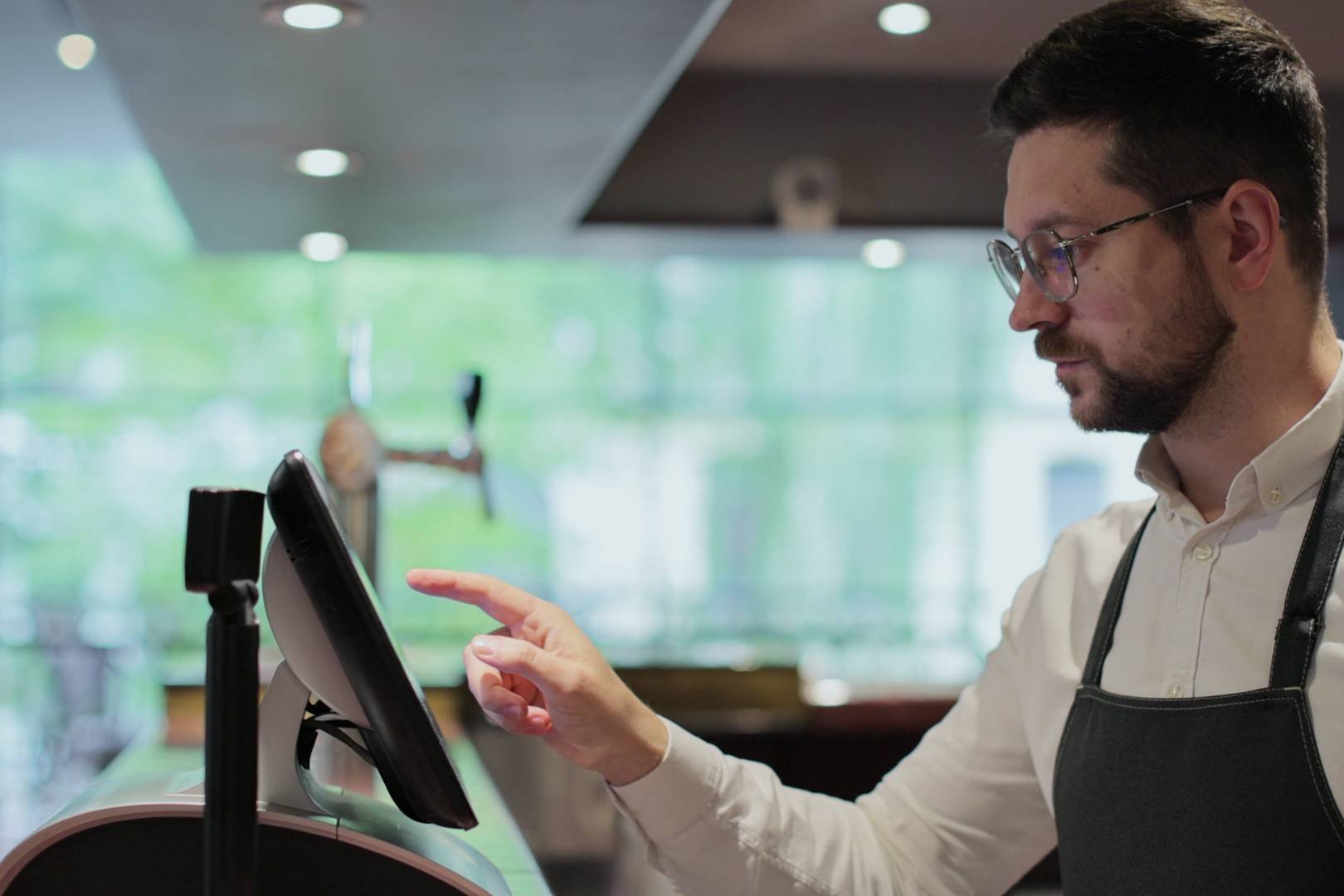
Anyone who has spent time running a busy dining establishment knows that the most vulnerable part of the day isn't the Friday night dinner rush or the Sunday brunch crunch. It is the thirty-minute window of the shift change.
When the morning manager is exhausted and ready to clock out, and the evening manager is just walking in, critical information is constantly dropped. A passing comment about a broken cooler, a sticky note about a VIP reservation, or a quick text about a staff call-out, these are all recipes for disaster. When communication breaks down between leadership, the entire team suffers, and ultimately, the guest experience pays the price.
As leaders in the hospitality tech space here at ShiftForce, we spend a lot of time analyzing the operational bottlenecks that hold businesses back. Time and time again, we see that the biggest differentiator between a chaotic operation and a highly profitable, smooth-running restaurant is how effectively managers communicate across shifts. If your goal is to reduce shift confusion, you must build a system that relies on standardized processes rather than the memory of a stressed-out manager. In this article, we are going to dive deep into why shift communication breaks down, how to keep your managers perfectly in sync, and the actionable steps you can take today to eliminate the dreaded "he-said, she-said" culture from your operations.
In this article, you'll learn:
- The hidden costs of disconnected shifts and poor communication.
- Why traditional shift handoffs fail to prevent missed updates.
- Five proven strategies to reduce shift confusion and keep your restaurant managers in sync.
- How to build a cohesive communication ecosystem across your entire team.
The Hidden Costs of Disconnected Shifts
When we talk about restaurant communication, it is easy to view it as a soft skill, something nice to have, but not as critical as food cost or labor percentages. This is a dangerous misconception. The reality is that poor communication directly impacts your bottom line. When managers are not in sync, the resulting friction bleeds into every aspect of the business.
Think about the operational domino effect of missed updates. Let's say the lunch manager forgets to tell the evening manager that the kitchen is running dangerously low on a premium ingredient, or that the walk-in cooler has been fluctuating in temperature. The evening manager walks blindly into a busy service. Suddenly, the kitchen has to 86 a flagship dish right in the middle of the rush, servers have to apologize to frustrated guests, and negative online reviews begin to trickle in. What started as a simple lapse in communication escalates into a reputation management issue.
Harvard University has recently covered how schedule instability can impact the health and wellbeing of workers. Furthermore, consistent shift confusion leads to severe manager burnout. When an incoming manager constantly feels like they are walking into a minefield, their stress levels skyrocket. They spend the first two hours of their shift putting out fires that could have been prevented with a proper handoff. In an industry where retaining top talent is already incredibly difficult, forcing your leadership team to work in an environment plagued by poor communication is a surefire way to drive them out the door.
Why Traditional Shift Handoffs Are Failing Your Restaurant
Before we can fix the problem, we have to look at why current methods are failing. In many establishments, communication relies on fragmented, outdated systems. If your managers are using any of the following methods as their primary source of communication, you are exposing your operations to unnecessary risk:
- The Physical Logbook: The classic manager's logbook sitting in the back office is a staple, but it is deeply flawed. Handwriting is often illegible, pages get skipped, and the book cannot be accessed remotely. A regional manager checking in on five different locations has absolutely zero visibility into a physical notebook.
- Text Message Threads: Group chats on personal phones are informal, intrusive, and unsearchable. Important updates about employee disciplinary actions or equipment failures get buried beneath a barrage of emojis and shift-swap requests. Furthermore, relying on personal devices blurs the line between work and personal life.
- Verbal Pass-Downs: The absolute riskiest method of communication is the verbal handoff. In a loud, fast-paced restaurant, telling a manager "Hey, table 42 is complaining about their steak" as you walk out the door guarantees that details will be lost or forgotten entirely.
These fragmented methods are the primary culprits behind missed updates. To keep your team in sync, you need to transition away from these unreliable habits and embrace a single source of truth.
5 Proven Strategies to Keep Managers in Sync
Empowering your team to communicate effectively requires more than just telling them to "talk to each other more." It requires providing them with the framework, expectations, and tools to succeed. Here are five actionable strategies you can implement to ensure your shift leaders are always on the same page.
1. Establish a Single Source of Digital Truth
The first and most crucial step to reduce shift confusion is moving your communication into a centralized, digital platform. When you utilize a digital logbook or a shift management software like ShiftForce, you immediately eliminate the physical boundaries of a paper notebook. Managers can input notes from a tablet on the floor, rather than hiding in the office.
A digital platform ensures that all notes are legible, timestamped, and categorized. Whether it is a note about an employee who arrived late, a health inspector visit, or a catering order for the following morning, the information lives in a searchable database. Regional managers and board teams can gain instant visibility into the daily operations of every location without having to make a single phone call.
2. Mandate Standardized Shift Handoff Checklists
Communication should never be left to improvisation. Create a mandatory, standardized checklist that every departing manager must complete before handing over the keys. This checklist forces the outgoing manager to pause and document specific, critical categories.
A highly effective shift handoff checklist should cover:
- Staffing: Who called out? Who was sent home early? Were there any disciplinary issues or exceptional performances?
- Inventory & 86 List: What items are completely out? What items are running low and need to be monitored?
- Equipment & Facilities: Are there any POS glitches? Is the dishwasher running at the correct temperature? Did you place a maintenance call?
- Guest Relations: Were there any VIPs? Did any guests receive comps or have a negative experience that the next shift should follow up on?
By standardizing this process, you train your managers to look for and report on the same key metrics, drastically reducing the chances of missed updates.
3. Implement the Overlap Scheduling Technique
Whenever labor budgets allow, schedule your incoming and outgoing managers with a strict 15 to 30-minute overlap. This dedicated time should not be spent putting out fires on the floor; it should be fiercely protected time for the two managers to review the digital logbook together. Streamlining this process is much easier when you use dedicated employee scheduling software.
During this overlap, the departing manager walks the incoming manager through the shift's narrative. This allows the incoming manager to ask clarifying questions about the notes provided. If an employee had a meltdown during lunch, the evening manager can ask for the nuances of the situation so they know exactly how to handle that employee during the dinner shift. This face-to-face time, backed by digital documentation, is the ultimate defense against operational blind spots.
4. Foster a Culture of Proactive, Not Reactive, Communication
In many hospitality environments, communication only happens when something goes wrong. We need to shift this to a proactive culture. Encourage your managers to over-communicate. If a regular customer mentions they are bringing in a party of ten later in the week, that needs to be logged immediately.
As senior leadership, you must praise managers who leave detailed, actionable notes. When regional managers comment on a shift note, perhaps acknowledging a difficult guest situation that was handled well, it shows the in-store managers that their communication is actually being read and valued. When managers realize that the logbook is a living, breathing tool rather than a useless administrative chore, their engagement with the platform will soar.
5. Bridge the Gap Between Front and Back of House
Shift confusion does not just happen between morning and night; it happens between the kitchen and the dining room. A well-synced management team must ensure that the Executive Chef or Kitchen Manager is looped into the exact same communication channels as the Front of House managers.
If the kitchen is testing a new special, the FOH manager needs to know the exact flavor profile, allergens, and plating expectations to brief the servers. Conversely, if a large walk-in party just sat down, the kitchen needs to be warned immediately. By using a mastering the art of team communication, you tear down the traditional walls between the front and back of house, operating as one cohesive restaurant unit.
Equipping Your Team for Success: The C-Suite Perspective
As board members, regional directors, and C-level executives, it is our responsibility to set our frontline leaders up for success. We cannot hold a shift manager accountable for poor communication if we have only provided them with a group text thread and a spiral notebook.
Investing in operational software is an investment in your people. When you provide tools that genuinely reduce shift confusion, you are telling your management team that you respect their time and mental bandwidth. You are giving them the ability to step onto the floor with confidence, knowing exactly what transpired before they arrived and what needs to be accomplished before they leave.
Furthermore, the data generated by streamlined communication tools is invaluable for upper management. By tracking recurring issues, such as the same piece of equipment breaking down every Tuesday, or a specific employee consistently causing friction during shift changes, you can make informed, strategic decisions to improve the business at a macro level. You move from putting out daily fires to optimizing the entire organization.
Building a Better Restaurant Ecosystem
The pace of the hospitality industry is never going to slow down. The challenges of staffing, supply chains, and guest expectations will continue to keep your teams on their toes. However, the chaos of a poorly executed shift transition is an entirely preventable problem.
By transitioning away from outdated methods, standardizing your handoff processes, and leveraging centralized digital platforms, you can absolutely eliminate missed updates. When your restaurant managers are in perfect sync, the friction disappears. Service becomes smoother, employee morale improves, and guests receive the consistent, high-quality experience they expect, regardless of what time of day they walk through your doors.
Take the time today to evaluate how your teams are communicating. Ask your shift managers what information they are missing when they walk in the door. Listen to their pain points, and start building a communication infrastructure that supports them. When your managers are aligned, your entire business thrives.
