
If you have ever closed out a grueling Friday night shift in the hospitality industry, you know exactly what the final hour feels like. The last table has finally cashed out, the kitchen is breaking down the line, and the front-of-house staff is completing their side work.
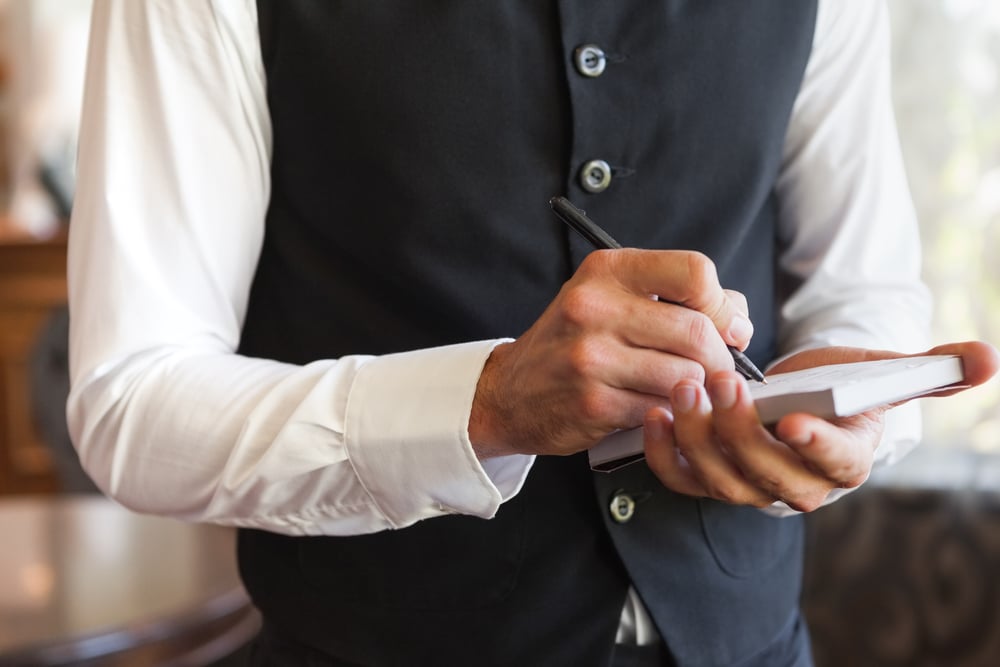
But as a shift manager, your day isn't quite over. Before you can lock the doors and head home, you have to sit down in a cramped back office, pull out a battered, coffee-stained binder, and write out your end-of-shift notes. For decades, this physical book has been the operational heartbeat of shift-based businesses. However, as the restaurant industry becomes increasingly fast-paced and data-driven, leaders are asking a critical question: is a paper notebook still enough to run a modern, profitable business?
As leaders in workforce management at ShiftForce, we spend our days speaking with shift managers, regional directors, and board members who are constantly searching for ways to streamline operations, reduce miscommunication, and improve the employee experience. The consensus from the field is clear: relying on pen and paper is no longer a viable strategy for growth. The transition to a digital restaurant logbook is not just a technological upgrade; it is a fundamental shift in how teams communicate, how accountability is tracked, and how multi-unit businesses scale. In fact, as experts note, digital transformation is not just about technology, it's about strategy, culture, and empowering your team. Let's dive deeply into why making the switch from a traditional restaurant manager logbook to a digital solution is one of the highest-ROI decisions your leadership team can make this year.
In this article, you'll learn:
- The history and limitations of the traditional paper restaurant manager logbook.
- What makes a digital restaurant logbook essential for modern, data-driven operations.
- Key benefits of digitalizing your shift notes, including real-time communication, accountability, and compliance.
- How digitalization empowers everyone from frontline employees to C-suite executives.
- Essential features to look for when choosing a digital logbook.
- Actionable steps to successfully transition your team from paper to a digital solution.
The Evolution of the Restaurant Manager Logbook
To understand the value of a digital solution, we must first look at the legacy of the traditional restaurant manager logbook. Historically, this was a physical notebook, often a spiral-bound notebook or a heavy three-ring binder, kept securely in the manager's office or near the host stand. It was the designated place to record the events of the day: employee call-outs, VIP guest visits, 86 lists, equipment malfunctions, and cash drawer discrepancies.
There is a certain nostalgia attached to the physical logbook. Many veteran managers have fond memories of flipping through its pages to catch up on the weekend's events after a couple of days off. But nostalgia does not drive efficiency or protect your bottom line. The physical logbook is inherently flawed. It is bound by its physical location; if a regional manager wants to know how Friday night went, they have to physically drive to the store or rely on a subjective phone call. Furthermore, paper logbooks are vulnerable. A spilled cup of soup, a misplaced binder, or a fire can wipe out months of crucial operational data, leaving your business exposed to compliance issues and HR liabilities.
What Exactly is a Digital Restaurant Logbook?
A digital restaurant logbook takes the concept of the daily communication journal and brings it into the cloud. It is a secure, software-based platform that allows managers, employees, and executive teams to input, track, and analyze the daily operations of a restaurant from any connected device. Instead of scribbling notes in the margins of a piece of paper, managers use smartphones, tablets, or desktop computers to log entries.
But it is much more than just a digital notepad. A modern digital restaurant logbook is a comprehensive communication hub. It features timestamped entries, searchable databases, photo and video attachments, task management checklists, and automated alerts. It transforms static end-of-shift notes into dynamic, actionable data that can be accessed by the right people, at the right time, no matter where they are in the world. If you are curious about setting up your own, checking out the key elements of a good manager logbook is a great place to start.
Is a Digital Restaurant Logbook Better Than a Paper Manager Logbook?
When we sit down with restaurant operators, the question inevitably arises: "Is a digital restaurant logbook better than a paper manager logbook?" The short answer is an absolute, unequivocal yes. The longer answer requires looking at the specific friction points that exist in shift-based businesses and how digitalization solves them.
1. Unmatched Real-Time Communication
In a restaurant, situations escalate quickly. If the walk-in cooler starts losing temperature on a Tuesday morning, the evening manager needs to know immediately, not when they arrive at 4:00 PM and read the physical book. A digital restaurant logbook allows for real-time updates. Morning managers can flag urgent issues, tag the incoming shift leader, and ensure that critical information is communicated instantly. This prevents the dreaded "Why didn't anyone tell me?" scenario that plagues so many shift handoffs. Exploring ways to improve shift-to-shift communication often points directly to adopting real-time digital tools.
2. Accountability and Legibility
We have all encountered the infamous "mystery note" in a paper restaurant manager logbook. It's an entry written in hurried, illegible handwriting, missing a date or a signature, cryptically stating something like, "Customer at table 4 was upset. Comped meal." Who was the customer? Who was the manager? Why were they upset? With a digital logbook, every entry is automatically tied to the user's profile and timestamped. There is no guessing who wrote what or when it was written. This creates a culture of accountability. Furthermore, digital entries are inherently legible, eliminating the translation errors that occur with messy handwriting.
3. Searchability and Data Analytics
Try finding a specific HR incident or equipment repair note from six months ago in a stack of old paper binders. It could take hours. A digital restaurant logbook features powerful search functionalities. If a health inspector asks for your temperature logs from the past thirty days, or if an HR representative needs to review the documentation regarding an employee's recurring tardiness, you can pull that data in seconds using keywords. More importantly, digital logbooks allow management to spot trends. You can track how often a specific piece of equipment breaks down, helping you make informed decisions about whether to repair or replace it.
4. Protection and Compliance
Shift-based businesses operate in a highly regulated environment. Labor laws, health codes, and food safety standards require meticulous documentation. Paper logs can be lost, altered, or destroyed. A digital logbook securely stores your data in the cloud. If an employee disputes a disciplinary action, or if a customer claims they were served undercooked food, your digital, timestamped, and unalterable records serve as your strongest line of defense.
The Ripple Effect: How Digitalization Empowers the Entire Hierarchy
Implementing a digital restaurant logbook doesn't just make the closing manager's life easier; it sends a wave of efficiency up and down the organizational chart. At ShiftForce, we always emphasize that good software should serve everyone in the business.
For Shift Managers
Shift managers are the boots on the ground. A digital logbook saves them time. Instead of spending 30 minutes at the end of a 10-hour shift writing out notes, they can update the logbook incrementally throughout their shift using a tablet or smartphone. They can snap a photo of a broken POS terminal or a pristine line setup and attach it directly to their notes. Handoffs become seamless, anxiety is reduced, and managers get to go home on time. This also ties closely into mastering employee scheduling, as managers can easily reference logbook notes regarding staff availability and performance.
For Frontline Employees
While employees might not write the daily summary, they benefit directly from a more organized management team. When communication between shifts is flawless, employees aren't given conflicting instructions by different managers. If a server reports a wobbly table during the lunch shift, a digital log ensures the evening manager sees the note and addresses it, showing the staff that their concerns are heard and acted upon.
For Regional Managers
Regional and area managers have the difficult task of overseeing multiple locations simultaneously. In the days of the paper restaurant manager logbook, regional leaders were flying blind until they physically visited a store. With a digital restaurant logbook, a regional manager can sit down with their morning coffee and review the previous night's shift notes from five different locations in ten minutes. They can spot red flags early, offer support where it is needed, and ensure brand consistency across their entire portfolio without spending hours on the highway.
For Board Teams and C-Suite Executives
At the highest level, board teams and executives are looking for macro-level insights to drive profitability and growth. A digital system aggregates daily operational data into actionable metrics. Executives can review compliance adherence rates, analyze the frequency of customer complaints across different regions, and make strategic investments based on hard data rather than anecdotal evidence gathered from field managers.
Key Features Every Restaurant Manager Logbook Should Have in the Digital Age
If you are ready to move away from paper, it is crucial to choose the right digital tool. Not all software is created equal. When evaluating a digital restaurant logbook for your operations, ensure it includes the following practical features:
- Mobile Accessibility: Restaurant managers rarely sit at desks. Your logbook must be accessible via mobile apps on smartphones and tablets, allowing managers to document events as they happen on the floor.
- Customizable Categories: Every restaurant is different. A high-end steakhouse tracks different metrics than a fast-casual burger chain. Your digital logbook should allow you to create custom categories (e.g., VIPs, Maintenance, HR, Food Safety) that fit your specific operational needs.
- Media Attachments: A picture is worth a thousand words. The ability to attach photos of broken equipment, health inspection reports, or perfectly executed promotional displays is non-negotiable.
- Task Management Integration: The best digital logbooks tie communication directly to action. If a manager notes that the grease trap needs cleaning, they should be able to instantly assign that as a task to a specific employee for the following shift.
- Security and Permissions: You must be able to control who sees what. A shift leader needs to see daily operational notes, but they shouldn't necessarily have access to sensitive HR documentation regarding another employee. Granular permission settings are vital.
How to Transition Your Team from Paper to Digital
Change management is often the biggest hurdle in adopting new technology. Even when a digital restaurant logbook is objectively better, human beings are creatures of habit. Some of your veteran managers may initially resist giving up their paper notebooks. To ensure a smooth transition, we recommend a phased approach.
Start by identifying your tech champions, the managers who are naturally inclined toward using apps and software. Roll out the digital logbook to them first and let them experience the benefits. Once they become advocates, they will help train and encourage the rest of the team. Secondly, be clear about the "why." Don't just tell your managers they have to use a new software; explain how it will save them 20 minutes a day, protect them from accountability disputes, and help them run a smoother shift. Finally, run a brief overlap period. Allow your teams to use both the paper and digital logs for one to two weeks while they get comfortable, and then firmly retire the paper books for good.
Embracing the Future of Restaurant Operations
The hospitality industry is too demanding, margins are too thin, and the competition is too fierce to rely on outdated methods of communication. The trusty paper notebook served its purpose for a long time, but it has reached the limits of its utility. Upgrading to a digital restaurant logbook is a proactive step toward operational excellence.
By empowering your shift managers with the tools they need to communicate effectively, you reduce turnover, improve the guest experience, and give your regional and executive teams the visibility they require to steer the ship. At ShiftForce, we believe that better communication leads to better business. It is time to close the cover on the old paper restaurant manager logbook once and for all, and open the door to a more connected, accountable, and efficient future.
