How can I manage labor costs while keeping my employees happy?
If you have ever run a restaurant, managed a hotel, or overseen operations for a regional chain, you know the daily tightrope walk required to keep your business profitable.


If you have ever run a restaurant, managed a hotel, or overseen operations for a regional chain, you know the daily tightrope walk required to keep your business profitable.

Anyone who has ever worked a busy Friday night dinner rush knows that running a successful restaurant is much like conducting a live symphony. Every individual, from the executive chef to the host at the front door, must be perfectly in sync.
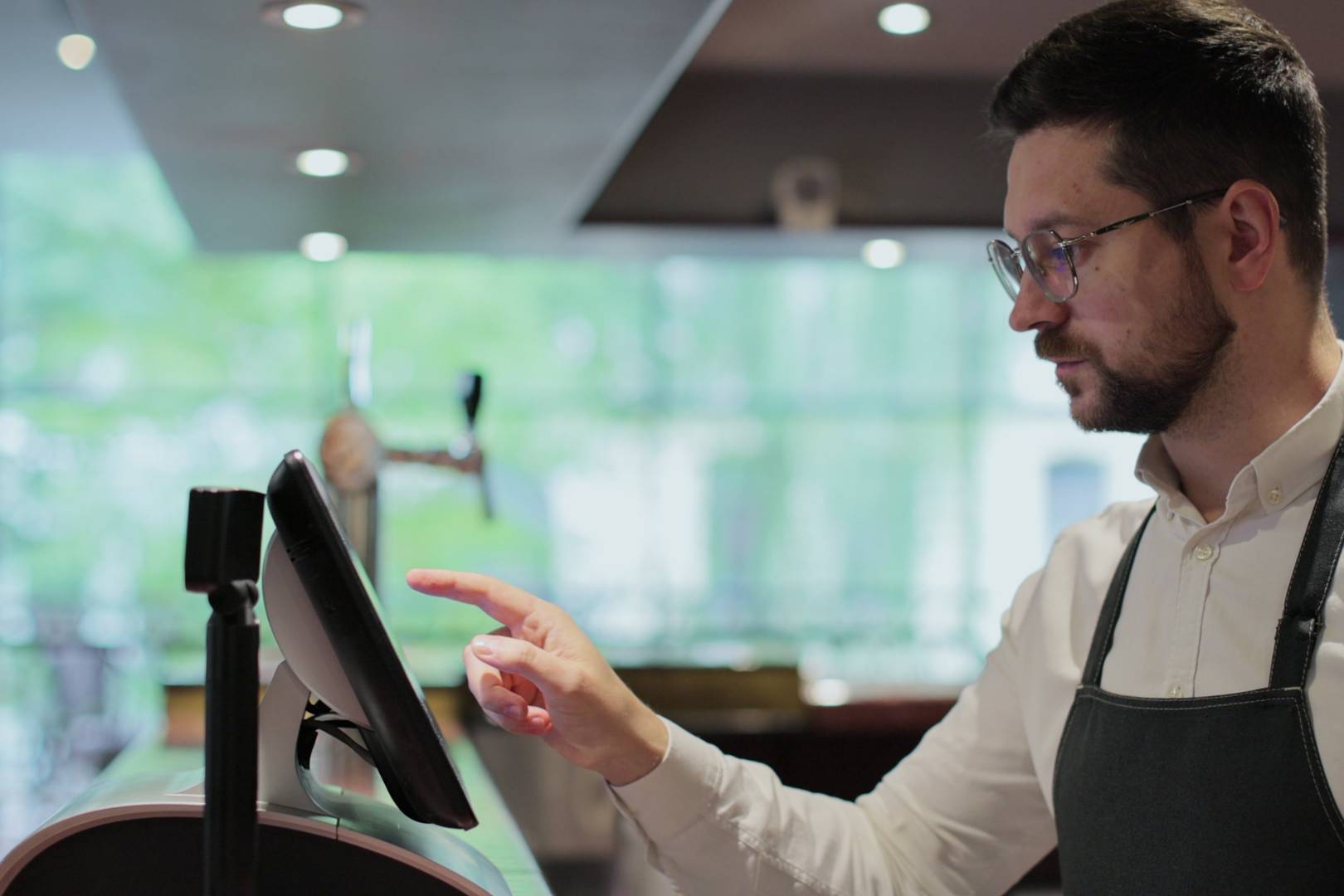
Anyone who has spent time running a busy dining establishment knows that the most vulnerable part of the day isn't the Friday night dinner rush or the Sunday brunch crunch. It is the thirty-minute window of the shift change.

Running a hotel is like conducting a symphony that never stops playing. From the moment the morning shift greets early risers in the lobby to the quiet hours when the night audit team balances the books, the hospitality industry operates on a relentless 24/7 cycle.
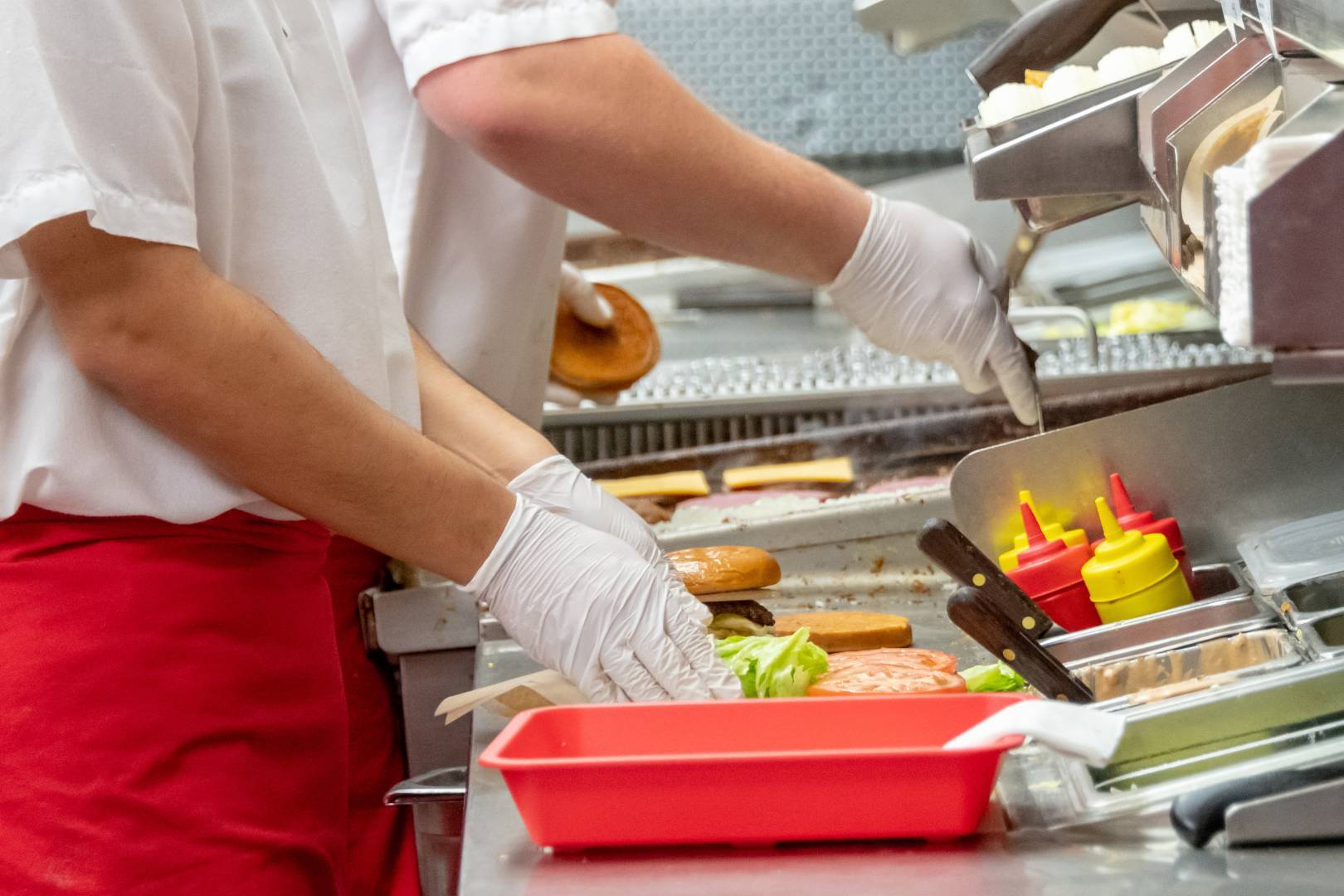
Every seasoned restaurant operator knows the sinking feeling of walking into a disastrous shift. The prep isn't done, the ice machine is making a strange ticking noise, a key ingredient was 86'd hours ago without anyone writing it down, and the incoming staff is already frustrated.

In shift-based environments, one of the biggest operational challenges isn’t staffing. It’s communication between managers who rarely overlap. When information doesn’t flow smoothly from one shift to the next, teams become reactive, mistakes repeat, and accountability fades.
Shift management is one of the most overlooked drivers of operational success. When done poorly, it leads to confusion, burnout, and costly mistakes. When done well, it creates consistency, accountability, and a better employee experience.
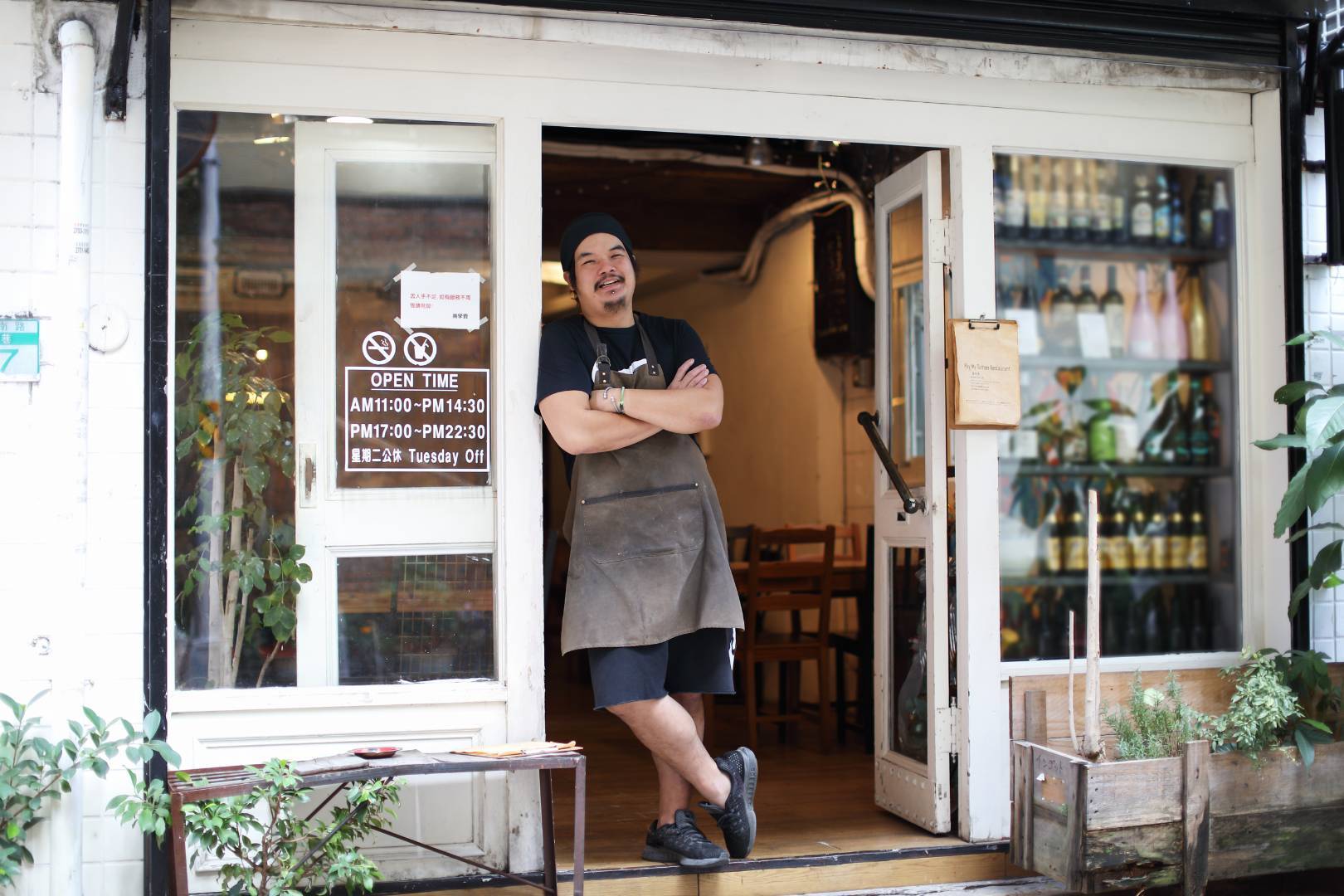
The secret weapon to smoother shifts is not another meeting, another group text, or another sticky note slapped on the office door. It is consistently well-written shift notes. Simple? Yes. Powerful? Absolutely.

The best way to communicate shift updates to hotel staff is to use one clear, shared system for daily shift notes, handoffs, schedule changes, guest issues, maintenance updates, and follow-up tasks. Hotels run across departments, floors, shifts, and guest expectations, so communication needs to be fast, searchable, consistent, and easy for managers and staff to access before, during, and after every shift.

For the hospitality industry, the holiday season is a double-edged sword. On one hand, it brings a bustling lobby, fully booked suites, and a significant boost to your bottom line. On the other hand, it introduces immense operational stress, demanding that your operations run flawlessly around the clock.