What are the best shift management tools in 2026?
Managing a shift-based workforce has never been more challenging or more critical to the bottom line with increased employee turnover in hospitality showing no signs of abating soon.

Posts by:
Matt has let his lifelong passion of food and people lead him to 15 amazing years as a restaurant manager and another 9 years working as a Director with a major food service distributor. He has channeled this passion to help create and run ShiftNote. When he's not dominating the food service industry, he's spending time with his 4 children and cheering on the Tigers as a Mizzou Alumni.

Managing a shift-based workforce has never been more challenging or more critical to the bottom line with increased employee turnover in hospitality showing no signs of abating soon.

If you've ever managed a team, run a region, or overseen operations for shift-based businesses, you know that the most critical, and often most chaotic, moment of the day is the shift change.

If you've spent any time in the hospitality industry, you know that employee retention is the single biggest challenge keeping operators awake at night. The restaurant industry has historically struggled with a notoriously high quit rate.

Anyone who has spent time managing a restaurant knows that the heartbeat of the operation isn’t just the menu or the ambiance, it's them team. When your back-of-house and front-of-house are in perfect sync, the restaurant hums like a well-oiled machine.

If you've ever managed a shift-based team, you are probably all too familiar with the 6:00 AM text message. It usually reads something like: “I’m so sorry, but I woke up sick and can’t make my 8:00 AM shift. Can someone cover me?”

A hotel never truly sleeps. Long after the executive team has logged off for the evening, night auditors, maintenance technicians, and late-shift front desk agents are keeping the operation running smoothly.

If you have ever run a restaurant, managed a hotel, or overseen operations for a regional chain, you know the daily tightrope walk required to keep your business profitable.

Anyone who has ever worked a busy Friday night dinner rush knows that running a successful restaurant is much like conducting a live symphony. Every individual, from the executive chef to the host at the front door, must be perfectly in sync.

Running a hotel is like conducting a symphony that never stops playing. From the moment the morning shift greets early risers in the lobby to the quiet hours when the night audit team balances the books, the hospitality industry operates on a relentless 24/7 cycle.
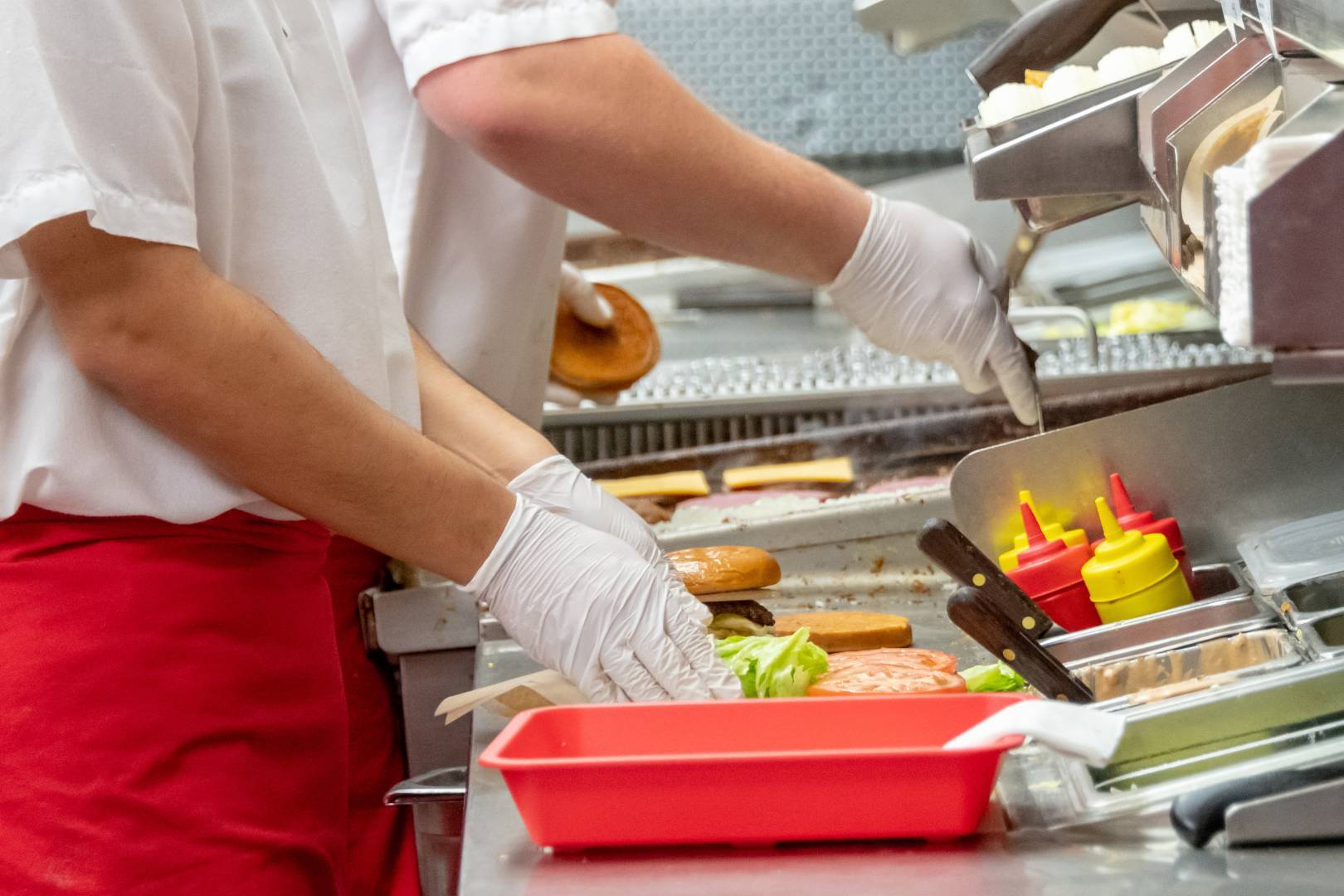
Every seasoned restaurant operator knows the sinking feeling of walking into a disastrous shift. The prep isn't done, the ice machine is making a strange ticking noise, a key ingredient was 86'd hours ago without anyone writing it down, and the incoming staff is already frustrated.